

Harnessing Digital AML/CTF Consultants forEnhanced Accuracy and Speed
Digital AML/CTF Consultants: The rise of digital AML/CTF consultants is transforming Australia’s compliance landscape, offering organisations faster, more accurate, and cost-effective solutions to identify and address compliance weaknesses.
Key advantages of Digital AML/CTF Consultants
In today’s complex financial landscape, Australia organisations are increasingly challenged to navigate the intricate web of Anti-Money Laundering (AML) and Counter-Terrorism Financing (CTF) regulations. As AUSTRAC’s regulatory scrutiny intensifies, the need for effective compliance strategies has never been more critical.
Traditional manual consulting projects often struggle to keep pace with the rapidly changing compliance environment, leading to inefficiencies and potential vulnerabilities and delayed implementation of AML/CTF Programs.
The Limitations of Manual AML/CTF Consulting
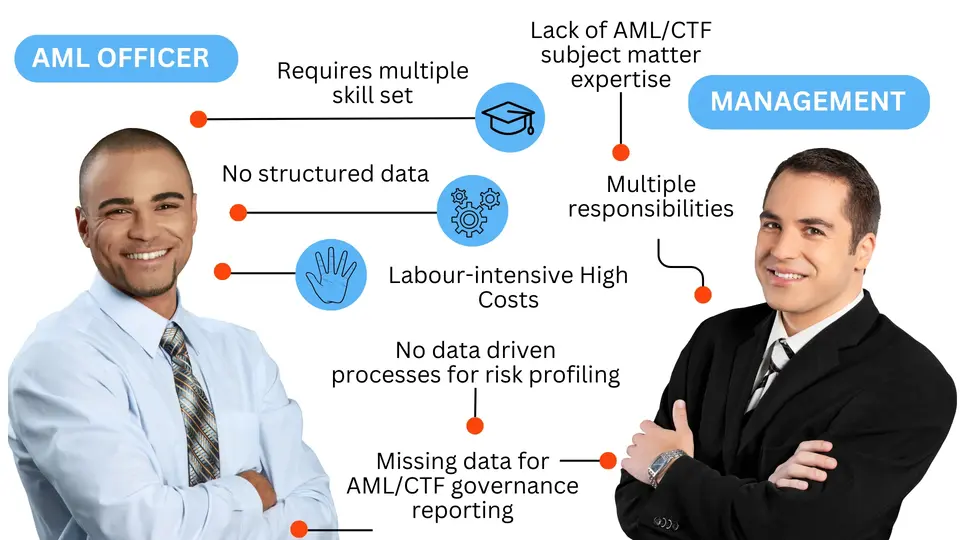
Businesses relying on AML/CTF consulting projects to assess their compliance frameworks will often experience extensive paperwork, in-person meetings, and time-consuming data collection processes. While consultants bring valuable expertise to the table, the manual nature of these engagements frequently result in delays and inconsistencies. Compliance assessments are often treated as static exercises, leaving organisations ill-prepared to adapt to evolving regulatory requirements or emerging risks.
Moreover, the reliance on spreadsheets and unstructured data make challenging to achieve a comprehensive view of an organisation’s risk exposure.
Manual processes often lead to discrepancies in data interpretation, hampering the ability to make informed decisions. As a result, many organisations find themselves in a reactive stance, scrambling to address compliance issues only after they had been identified by regulators or auditors.
AML360™ Digital AML/CTF Consultants
The advent of digital AML/CTF consultants marks a significant shift in how organisations approach compliance. These consultants leverage advanced technology and regulatory technology (RegTech) solutions to streamline the compliance process, providing organisations with a more agile and effective means of identifying compliance weaknesses.
By utilising digital tools, firms can conduct thorough assessments in real-time, ensuring that their compliance frameworks are not only robust but also adaptable to changing regulatory landscapes.
Speed and Efficiency
One of the primary benefits of AML360™ digital AML/CTF consultants is the ability to deliver rapid results. Unlike traditional consulting engagements that may take weeks or even months to complete, digital solutions can provide immediate insights into compliance vulnerabilities.
By automating data collection and analysis, digital consultants can quickly assess an organisation’s risk exposure across various dimensions, including customer profiles, transaction patterns, and geographical risks. This speed enables organisations to respond proactively to potential compliance issues, reducing the risk of regulatory penalties.
Comprehensive Reporting
Another advantage of digital AML/CTF consultants is their ability to generate comprehensive and structured reports that provide actionable insights. With automated reporting features, organisations can easily track their compliance performance over time, identifying trends and patterns that may indicate emerging risks.
These reports not only facilitate internal decision-making but also serve as valuable documentation during audits and regulatory reviews. The transparency offered by digital solutions fosters a culture of accountability and continuous improvement within organisations.
Customisation and Scalability
A further significant advantage of AML360™ digital AML/CTF consultants is the ability to offer customised solutions that cater to the specific needs of each business. Unlike one-size-fits-all approaches often seen in manual consulting, digital platforms can be tailored to reflect the unique operational realities and risk profiles of different businesses.
This customisation extends to the types of reports generated, the metrics tracked, and the specific compliance frameworks implemented.
Moreover, digital solutions are inherently scalable. As organisations grow and evolve, their compliance needs may change. Digital consultants can easily adapt to these changes, allowing firms to scale their compliance efforts without the need for extensive retraining or reconfiguration. This flexibility is particularly valuable for businesses operating in multiple jurisdictions, where regulatory requirements can vary significantly.
Embracing Tranformation to Digital AML/CTF Consultants
AUSTRAC acknowledges that the financial and regulatory environments are becoming increasingly complex, driven by globalisation, technological advancements, and evolving criminal tactics. In this context, traditional compliance methods often struggle to keep pace with emerging threats. Recognising this challenge, AUSTRAC has endorsed the adoption of digital compliance solutions and RegTech as essential tools for organisations aiming to strengthen their AML/CTF frameworks.
Digital compliance solutions leverage technology to automate and streamline compliance processes, enabling organisations to monitor transactions and customer behaviours in real-time. By utilising sophisticated algorithms and data analytics, these solutions can enhance the accuracy of risk assessments and improve the overall efficiency of compliance operations. AUSTRAC sees these advancements as vital in helping businesses proactively identify and mitigate potential risks associated with money laundering and terrorism financing.
The Role of RegTech
RegTech plays a pivotal role in enhancing the effectiveness of digital AML/CTF consulting. By integrating technology into the compliance process, organisations can achieve a level of sophistication that was previously unattainable with manual methods.
AML360™ RegTech solutions offer a range of functionalities, including real-time monitoring, predictive analytics, and automated compliance workflows, all of which contribute to a more streamlined and efficient compliance framework.
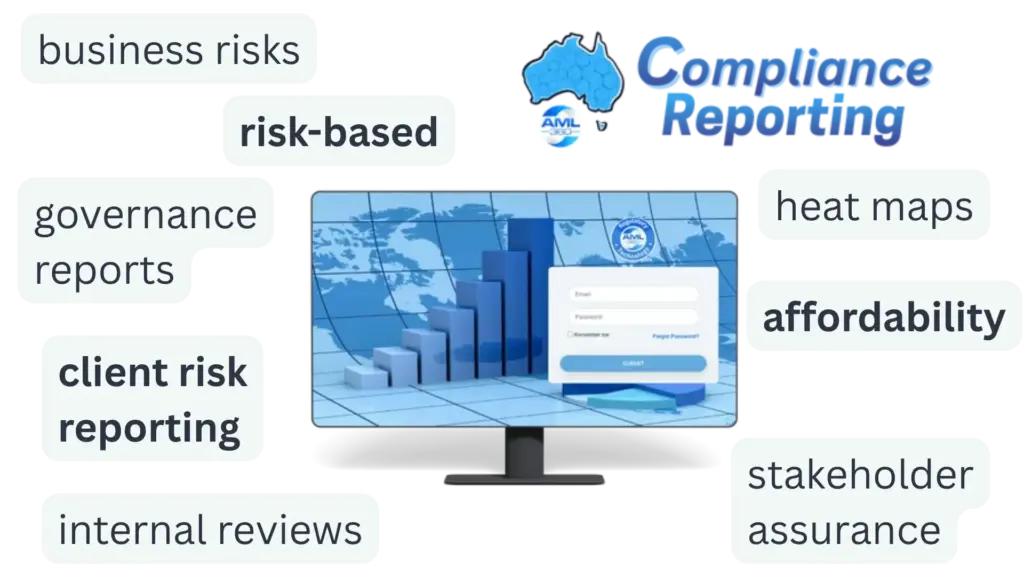
AML360™ provides a standalone firm or a corporate group with a centralised platform for managing their AML/CTF compliance efforts.
The software allows compliance officers to easily select data responses, add unique business information, and submit for comprehensive risk assessments. This integration of technology not only simplifies the compliance process but also ensures that organisations remain aligned with evolving regulatory expectations.
Real-World Impact: Success Stories
Organisations that have embraced AML360™ digital AML/CTF consultants are already reaping the benefits of this innovative approach. A regional bank, for instance, faced challenges in managing its compliance obligations due to a lack of standardised processes. By implementing a digital consulting solution, the bank was able to streamline its AML/CTF assessments, resulting in a 60% reduction in the time spent on compliance activities. This newfound efficiency allowed the bank to allocate resources to other critical areas, ultimately enhancing its overall operational effectiveness.
Similarly, a multinational corporation operating across various jurisdictions struggled to maintain consistent compliance standards. By leveraging digital consultants, the corporation standardised its risk assessment processes, ensuring that all divisions adhered to the same high standards of compliance. This not only mitigated the risk of regulatory penalties but also fostered a culture of compliance that permeated the organisation.
A Case Study: Transforming Compliance at a Financial Services Firm
Consider the case of a financial services firm that was grappling with outdated compliance practices. The firm employed a traditional consulting approach, relying on external auditors to conduct annual reviews of its AML/CTF program. However, this approach left the firm exposed to significant risks, as compliance issues were often identified too late for effective remediation.
Upon transitioning to a digital AML/CTF consulting solution, the firm experienced a remarkable transformation. The digital platform enabled continuous monitoring of compliance activities, allowing the firm to detect anomalies in real-time. With automated alerts and detailed reporting, the compliance team could address issues as they arose, rather than waiting for annual audits to uncover potential weaknesses.
As a result, the firm not only improved its compliance posture but also enhanced its reputation among regulators and clients. The proactive approach facilitated by digital consultants instilled confidence in stakeholders, demonstrating the firm’s commitment to maintaining the highest standards of compliance.
Looking Ahead: The Future of Digital AML/CTF Consultants
As the financial landscape continues to evolve, the importance of effective AML/CTF compliance cannot be overstated. Organisations must be proactive in identifying and mitigating risks associated with money laundering and terrorism financing. Digital AML/CTF consultants represent a significant advancement in achieving this goal, offering faster, more accurate, and cost-effective solutions for identifying compliance weaknesses.
By embracing technology and integrating RegTech into their compliance strategies, businesses can transform their approach to AML/CTF compliance from reactive to proactive. The shift to digital consulting not only enhances efficiency and accuracy but also fosters a culture of compliance that is essential for long-term success.
In conclusion, the transition to digital AML/CTF consultants is not just a trend; it is a necessary evolution in the compliance landscape. Organisations that prioritise these innovative solutions will be better equipped to navigate the complexities of regulatory requirements, safeguard their operations, and protect their reputations in an increasingly scrutinised environment. Embracing digital consultants is a step toward a more secure and compliant future, ensuring that businesses can thrive in a challenging regulatory landscape.
As Australia looks to the future of AML/CTF compliance, the integration of digital consultants into compliance frameworks will likely become standard practice. Organisations that leverage these advancements will not only enhance their compliance capabilities but also position themselves as leaders in their respective industries, setting a benchmark for best practices in AML/CTF compliance. The journey toward a more efficient and effective compliance landscape has begun, and those who embrace digital transformation will undoubtedly reap the rewards.
AUSTRAC Guidance: AML/CTF RegTech