

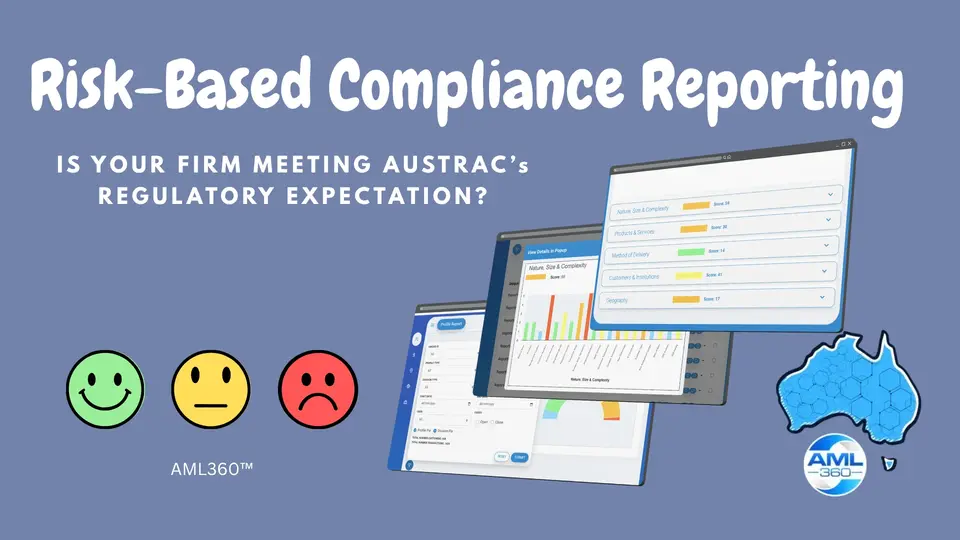
AUSTRAC has shifted to a Risk-Based Model forAML Risk Assessments
AML Risk Assessments: Australia’s anti-money laundering and counter-terrorism financing (AML/CTF) regime has undergone a significant modernisation, shifting away from a prescriptive, “check-box” compliance approach toward a flexible, risk-based and outcomes-oriented framework.
Risk-Based AML Assessments empower compliance programs
→ The kinds of designated services provided, which include (a) the types of customers they deal wth, (b) the delivery channels used to provide those services (e.g., face-to-face vs. digital), (c) the foreign jurisdictions the business or its customers deal with.
The Importance of Risk-Based Compliance
Australia’s financial landscape is characterised by a commitment to maintaining integrity and security against financial crimes, particularly money laundering and terrorism financing (AML/CFT). AUSTRAC’s implementation of risk-based compliance highlights the significance of AML risk assessments as the driving force behind effective AML/CTF programs. By delving deeper into the operational mechanisms, challenges, and strategic importance of AUSTRAC’s approach, your firm can better understand how these initiatives contribute to a safer financial environment in Australia.
Understanding AUSTRAC
As Australia’s primary regulator for AML/CFT compliance, AUSTRAC was established to combat financial crime and enhance the integrity of Australia’s financial system. By analysing AUSTRAC’s functions, your business can better appreciate its regulatory expectation:
⇢ Monitoring and Analysing Financial Transactions: AUSTRAC collects and analyses transaction data from reporting entities to detect suspicious activities that may indicate money laundering or terrorism financing.
⇢ Regulating Reporting Entities: AUSTRAC ensures that financial institutions, casinos, and other reporting entities comply with AML/CFT laws, providing oversight and enforcement as needed.
⇢ Providing Guidance and Support: AUSTRAC offers resources, training, and guidance to businesses, helping them implement effective compliance measures tailored to their specific risks.
The Risk-Based Framework for AML Risk Assessments
AUSTRAC operates within a comprehensive legal framework established by the Anti-Money Laundering and Counter-Terrorism Financing Act 2006. This legislation outlines the obligations of reporting entities and provides AUSTRAC with the authority to enforce compliance. The agency also collaborates with other regulatory bodies, law enforcement agencies, and international partners to enhance its effectiveness in combating financial crime.
A risk-based compliance approach allows AUSTRAC to allocate resources and efforts where they are most needed, focusing on areas with the highest risk of money laundering and terrorism financing. This methodology is essential in creating a more efficient regulatory environment and ensuring that businesses can comply without unnecessary burdens.


Key Features of Risk-Based AML Risk Assessments
⇢ Tailored Strategies: Businesses assess their specific risks and develop tailored AML/CTF programs that address their unique vulnerabilities. This customisation is vital, as the risks associated with different sectors can vary significantly.
⇢ Resource Allocation: AUSTRAC can prioritise its oversight and enforcement actions based on the risk profiles of different sectors and entities. This targeted approach ensures that high-risk areas receive the necessary scrutiny while allowing lower-risk entities to operate with less regulatory burden.
⇢ Dynamic Framework: The risk landscape is continuously evolving, influenced by factors such as technological advancements, changes in criminal behaviour, and global economic shifts. A risk-based approach allows for adaptability in compliance efforts, enabling businesses to respond effectively to new threats.
⇢ Stakeholder Engagement: AUSTRAC actively engages with stakeholders, including industry representatives and community businesses, to gather insights on emerging risks and trends. This collaboration enhances the overall understanding of the risk environment and fosters a collective response to financial crime.
The Role of AML/CTF Risk Assessment
AML risk assessments are fundamental to the risk-based compliance framework. They serve as the foundation for developing effective AML/CTF programs by identifying, assessing, and understanding the risks associated with money laundering and terrorism financing.
Why AML Risk Assessments are Critical
⇢ Identification of Risks: Risk assessments help organisations identify potential vulnerabilities in their operations, customer base, and geographical exposure. This identification process is crucial for understanding where the greatest risks lie and how they can be mitigated.
⇢ Informed Decision-Making: By understanding the risks, organiaations can make informed decisions about resource allocation, training, and compliance measures. This strategic decision-making ensures that resources are directed toward the most significant threats.
⇢ Regulatory Compliance: Conducting thorough risk assessments is a requirement under the AML/CTF Act, ensuring that organisations meet their legal obligations. Compliance with these requirements not only protects the business but also contributes to the broader integrity of the financial system.
⇢ Enhanced Effectiveness: A well-structured risk assessment leads to a more effective AML/CTF program, improving the overall integrity of the financial system. By proactively addressing identified risks, businesses can reduce their exposure to financial crime and enhance their reputation in the market.
⇢ Continuous Improvement: Risk assessments are not a one-time exercise; they should be conducted regularly to reflect changes in the business environment and emerging threats. This ongoing process of assessment and adaptation is essential for maintaining an effective AML/CTF program.
Implementation of Risk-Based Compliance by AUSTRAC
AUSTRAC has taken significant steps to promote and facilitate risk-based compliance among reporting entities. This includes:
⇢ Guidance Materials: Providing comprehensive resources and guidelines to help businesses understand their risks and develop effective compliance programs. These materials cover various topics, including risk assessment methodologies, compliance obligations, and best practices.
⇢ Training and Workshops: Offering training sessions to enhance the understanding of AML/CTF requirements and the importance of risk assessments. These educational initiatives empower businesses to build a culture of compliance and awareness among their staff.
⇢ Collaboration with Industry: Working closely with industry stakeholders to share information and best practices, fostering a collaborative approach to combating financial crime. AUSTRAC organises forums and consultations that bring together various sectors to discuss challenges and solutions.
⇢ Technological Integration: Encouraging the use of technology in compliance efforts, AUSTRAC promotes the adoption of advanced analytics and machine learning tools that can enhance the detection of suspicious activities. These technologies can significantly improve the efficiency and effectiveness of compliance programs.
Challenges in Implementing Risk-Based Compliance
While the risk-based approach offers numerous benefits, it is not without challenges. Some of the key challenges include:
⇢ Complexity of Risk Assessment: Conducting thorough risk assessments can be complex, particularly for businesses with diverse operations and customer bases. Businesses must invest time and resources into understanding their risks comprehensively.
⇢ Evolving Threat Landscape: The nature of financial crime is constantly changing, with criminals employing increasingly sophisticated methods. Staying ahead of these evolving threats requires ongoing vigilance and adaptation.
⇢ Resource Constraints: Smaller businesses may struggle with the resources required to implement effective risk-based compliance programs. AUSTRAC recognises this challenge and aims to provide support and guidance tailored to businesses of all sizes.
Don’t be Complicit – Be Compliant!
AUSTRAC’s implementation of risk-based compliance is a crucial element in Australia’s fight against money laundering and terrorism financing. By emphasising the importance of AML risk assessments, AUSTRAC empowers businesses to develop tailored compliance programs that effectively address their specific risks. This proactive approach not only enhances the integrity of the Australian financial system but also strengthens the overall global effort to combat financial crime. As the landscape continues to evolve, AUSTRAC’s commitment to risk-based compliance will remain a cornerstone of its regulatory framework. By fostering collaboration, providing guidance, and encouraging innovation, AUSTRAC is paving the way for a more resilient and secure financial environment in Australia, ultimately benefiting businesses and consumers alike.