


The Australia AML/CTF Program: Embracing Risk-Based Principles in 2026 Reforms
Australia AML/CTF Program Reforms: The Australia Anti-Money Laundering and Counter-Terrorism Financing (AML/CTF) Program has undergone significant changes, particularly with the risk-based reforms that commenced from 31 March 2026. These reforms aim to transition the AML/CTF Act toward a more risk-based approach, enhancing the effectiveness of compliance measures and ensuring that businesses can better mitigate risks associated with money laundering and terrorism financing.
Understanding the Australia AML/CTF Program Framework
Australia’s AML/CTF framework is designed to combat financial crimes by imposing strict obligations on businesses, particularly those in the financial sector. The framework includes a range of measures that require entities to identify, mitigate, and report risks associated with money laundering and terrorism financing. The core of this framework has traditionally been compliance-driven, focusing on meeting specific regulatory requirements. However, the upcoming reforms signal a shift towards a more nuanced, risk-based approach that prioritizes informed decision-making based on the specific risk profiles of businesses.
The transition to risk-based principles means that organizations will no longer be required to apply a one-size-fits-all compliance strategy. Instead, they will be encouraged to tailor their AML/CTF programs according to the unique risks they face. This approach not only enhances the effectiveness of compliance efforts but also allows businesses to allocate resources more efficiently, focusing on higher-risk areas while maintaining compliance in lower-risk segments.
The Role of AML360™ in Risk-Based Reporting
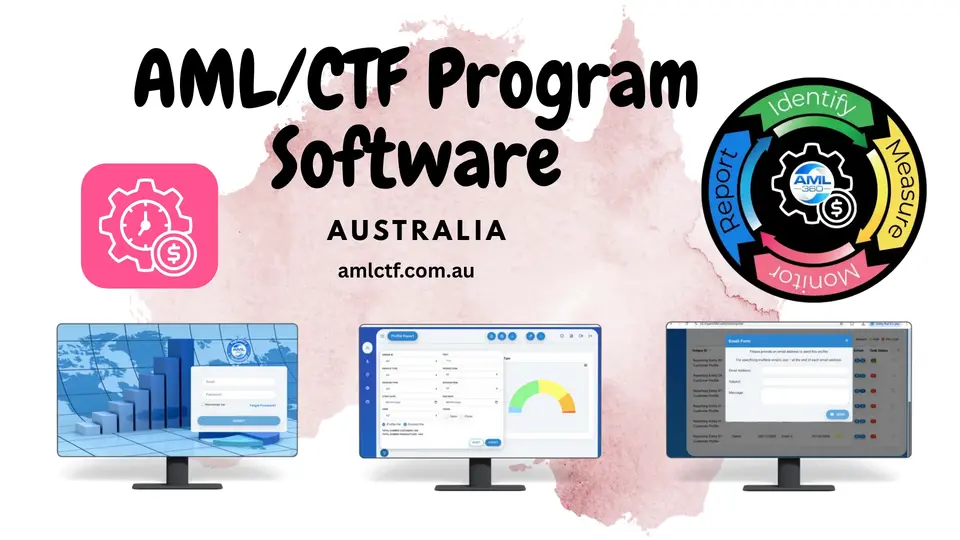
As organizations prepare for these reforms, solutions like AML360™ are emerging as essential tools for establishing robust AML/CTF programs. AML360™ offers a comprehensive suite of features that facilitate the implementation of risk-based reporting components within an AML/CTF framework. One of the standout capabilities of AML360™ is its ability to generate detailed reports in PDF format, which is vital for demonstrating compliance to regulatory authorities.
These reports not only serve as documentation of compliance efforts but also provide insights into the risk landscape of the organization. By utilizing AML360™, businesses can systematically analyse data, identify trends, and make informed decisions based on their risk assessments. This capability is crucial in an environment where regulatory expectations are evolving, and reporting entities must be able to showcase their understanding of risk and compliance.
Moreover, AML360™ supports informed, risk-based decision-making through real-time data analytics and reporting tools. This allows businesses to monitor their compliance status continually and adjust their strategies as needed. The ability to extract comprehensive reports ensures that businesses can present clear evidence of their compliance efforts to regulators, thereby fostering trust and transparency in their operations.
AML360™ Regulatory Technology: A Game Changer for Compliance
The advent of Regulatory Technology (RegTech) has revolutionized the way organizations approach compliance. RegTech solutions, such as AML360™, integrate advanced technology with compliance processes, enabling businesses to stay aligned with regulatory updates seamlessly. This integration is particularly vital in the context of the 2026 reforms, as regulatory requirements are expected to become more dynamic and complex.
RegTech solutions offer embedded risk management features that empower organizations to assess and manage risks more effectively. By leveraging automated processes and data analytics, businesses can enhance their ability to identify potential threats and respond proactively. This shift from reactive to proactive compliance is a significant game changer, allowing organizations to not only meet regulatory requirements but also to anticipate and mitigate risks before they escalate.
Furthermore, RegTech solutions like AML360™ facilitate collaboration across different departments within an organization. By providing a centralized platform for risk assessment and compliance management, these tools enable various stakeholders to share insights and work towards common goals. This collaborative approach enhances the overall effectiveness of the AML/CTF program, ensuring that all aspects of the business are aligned with regulatory expectations.

-
Efficiency Gains
Remove friction with automated workflows and streamlined operations.
-
Cost Reduction
AML/CTF compliance software eliminates labour intensive processes which removes significant costs associated to human resourcing.
-
Reduced Complexity
AML360™ AML/CTF compliance software is configured to automate the analysis and reporting of ML/TF compliance obligations.
Informed Decision-Making in a Risk-Based Australia AML/CTF Program
The transition to a risk-based framework necessitates a cultural shift within reporting entities. It requires a commitment to informed decision-making at all levels, from frontline staff to senior management. By adopting a risk-based approach, businesses can prioritise their efforts based on the specific risks they face, rather than merely adhering to a checklist of compliance requirements.
In this context, AML360™ plays a crucial role in enabling informed decision-making. The platform’s data-driven insights allow reporting entities to evaluate their risk exposure accurately and make strategic decisions accordingly. For instance, if a business identifies a higher risk associated with a particular customer segment, it can allocate additional resources to enhance due diligence and monitoring efforts in that area. Conversely, lower-risk segments can be managed with less intensive oversight, thereby optimising resource allocation.
Moreover, the ability to generate comprehensive reports supports transparency and accountability within the business. By documenting risk assessments and compliance efforts, businesses can demonstrate their commitment to regulatory adherence and their proactive stance towards risk management. This not only satisfies regulatory requirements but also enhances the reporting entity’s reputation among stakeholders, including customers, investors, and regulatory bodies.
Preparing for the Future: Embracing Change
As Australia transitions through its 2026 reforms, businesses must prepare for a new era of AML/CTF compliance that emphasises risk-based principles. This preparation involves not only adopting advanced risk-compliance solutions like AML360™ but also fostering a culture of risk awareness and proactive compliance within the business.
Training and education will be critical components of this transition. Employees at all levels must understand the importance of risk-based decision-making and be equipped with the knowledge and tools necessary to implement these principles effectively. Reporting entities should invest in ongoing training programs that emphasise the significance of risk assessment and the role of technology in enhancing compliance efforts.
Additionally, businesses must remain vigilant and adaptable in the face of evolving regulatory requirements. The landscape of financial crime is constantly changing, and organisations must be prepared to adjust their strategies accordingly. By leveraging RegTech solutions like AML360™, businesses can stay ahead of regulatory updates and ensure that their AML/CTF programs remain effective and compliant.
Implementing Australia AML/CTF Program Reforms
The upcoming reforms to the Australia AML/CTF Program represent a significant shift towards risk-based principles that prioritise informed decision-making and proactive compliance. AML360™ is poised to play a pivotal role in this transition, providing organisations with the tools they need to establish robust Australia AML/CTF programs that align with regulatory expectations. By embracing Regulatory Technology and fostering a culture of risk awareness, businesses can not only enhance their compliance efforts but also position themselves as leaders in the fight against financial crime. As the landscape of Australia AML/CTF Program continues to evolve, businesses that adapt to these changes will be better equipped to navigate the complexities of compliance and risk management in the future.
AUSTRAC Guidance: AML/CTF RegTech